Residence Permits in Germany: Complete Overview 2025
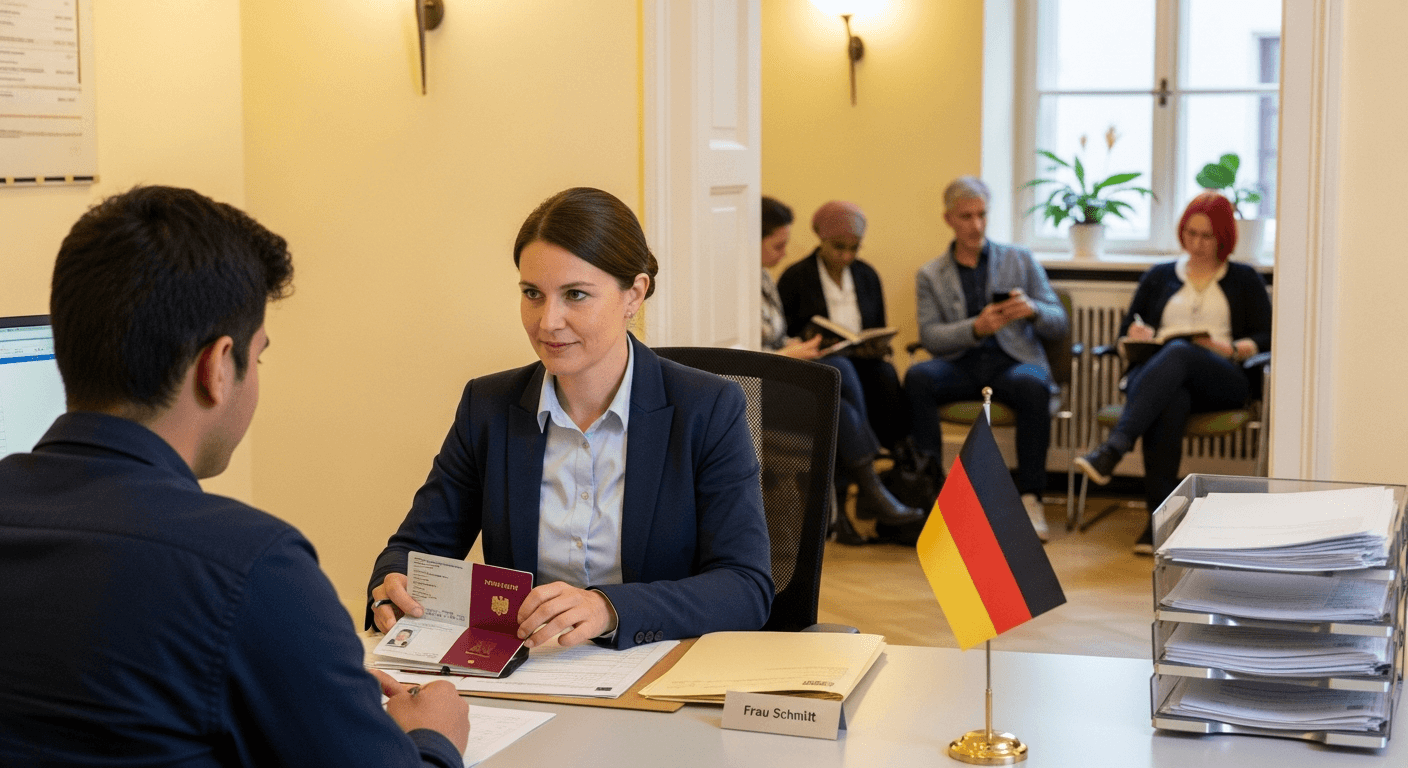
Germany has several residence permit types — from temporary Aufenthaltserlaubnis to the permanent Niederlassungserlaubnis. This guide explains all your options as a non-EU national.
Official directory
Expert insights into the evolving landscape of German immigration law.
Search category or topic...

Germany has several residence permit types — from temporary Aufenthaltserlaubnis to the permanent Niederlassungserlaubnis. This guide explains all your options as a non-EU national.

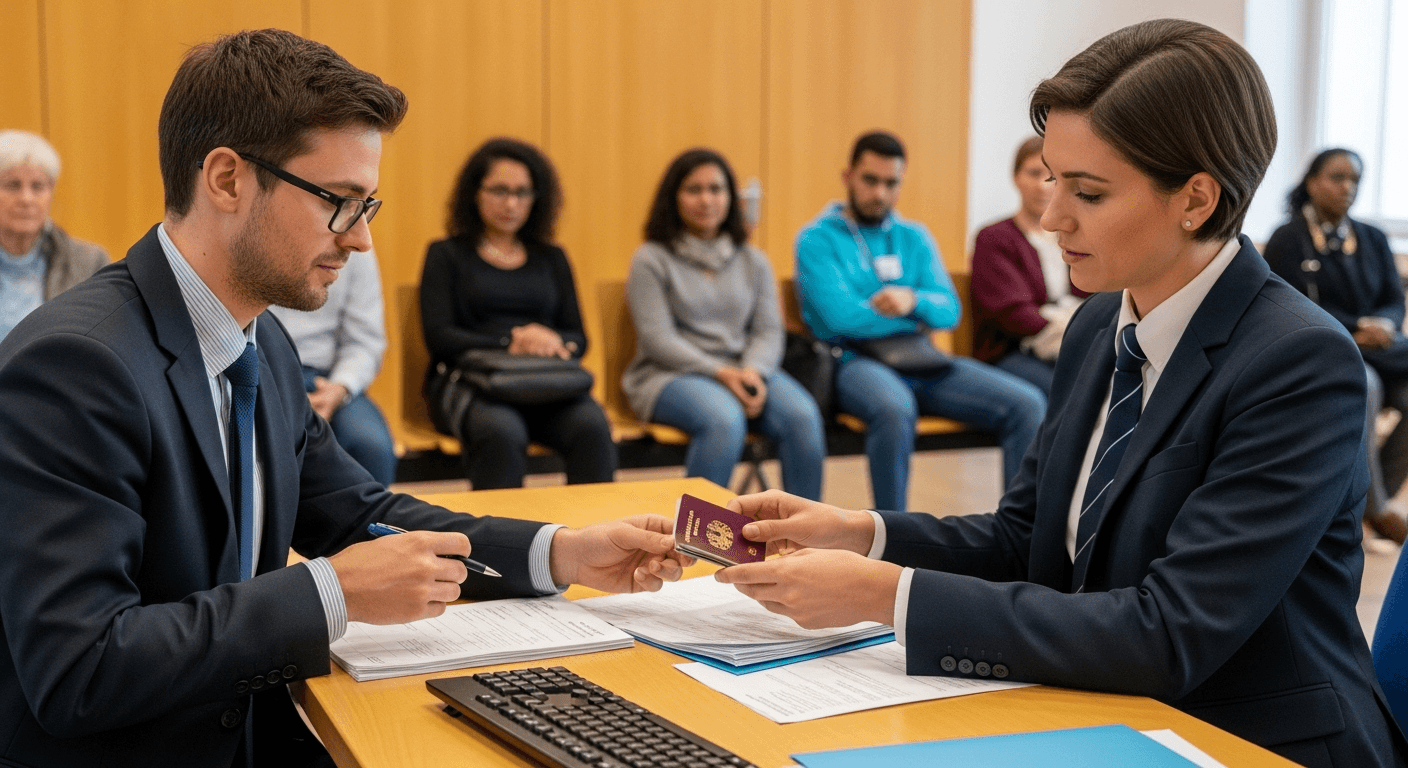
International students from non-EU countries need a student residence permit (§ 16b) to study in Germany. Learn about requirements, work rights, and post-graduation options.

Renewing your German residence permit is manageable if you apply at least 6 weeks early and bring the right documents. This step-by-step guide tells you exactly what to do.

Family reunification (Familiennachzug) lets spouses and children join a permit holder in Germany. Learn about requirements, the A1 language test, and the full application process.

Freelancers and entrepreneurs from non-EU countries need a § 21 self-employment residence permit to work independently in Germany. Here's how to apply successfully.

Missing a document at your Ausländerbehörde appointment can cost you months. This complete checklist tells you exactly what to bring for any permit type.

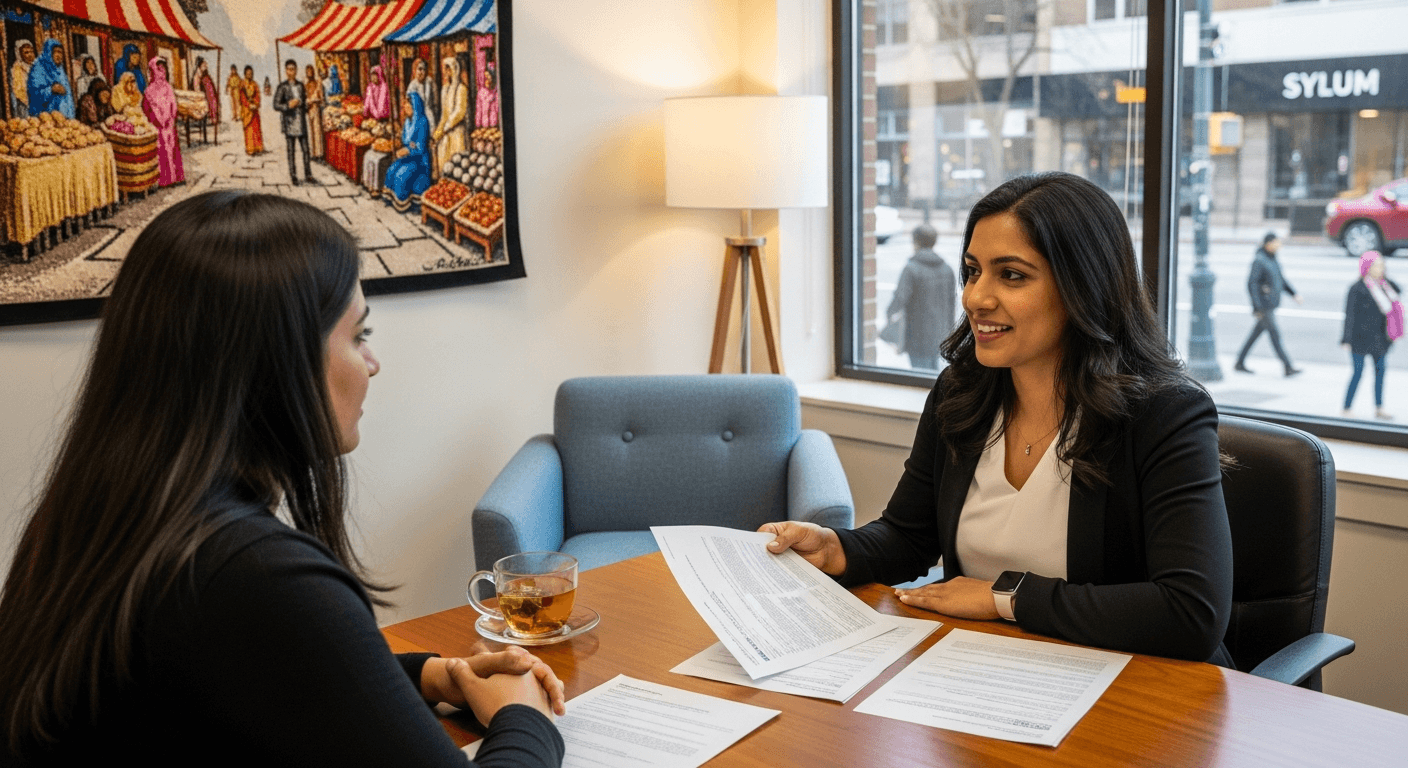
Applying for a German residence permit can be overwhelming. Sylum provides personalised guidance, document reviews, and optional appointment support — in English.

Never miss a document for your German residence permit application. This complete checklist covers all permit types — so your first appointment succeeds.

Since the 2024 reform, German citizenship requires just 5 years of residency and dual nationality is now permitted. Here are all the requirements for 2025.

The German citizenship test has 33 questions — and all 310 possible questions are public. With the right preparation, most people pass comfortably.

German naturalisation typically takes 1.5 to 2.5 years from start to finish. This realistic timeline helps you plan every phase and speed up the process.

EU citizens in Germany already have many rights — but German citizenship adds full voting rights, legal security, and travel advantages. Here's whether it's worth it.

Step-by-step guide to applying for German citizenship: from checking eligibility to attending the naturalisation ceremony. Everything you need for 2025.

German naturalisation requires B1 language proficiency. This article lists all accepted certificates and explains what to do if you don't have one yet.

German naturalisation costs €255 in official fees, plus additional expenses for certificates, translations, and photos. Here's a full cost breakdown for 2025.

A1, B1 or B2 — which German level you need for your residence permit or naturalisation. Table of requirements by residence title, recognised tests and possible exemptions.

The Chancenkarte (§ 20a AufenthG) allows qualified professionals to enter Germany for 1 year and search for a job on the spot — without a job offer. Points system, requirements and difference from the EU Blue Card.

Since 27 June 2024, dual nationality in Germany is permitted for everyone. What the reform of the Nationality Act changes and what it means for foreigners living in Germany.

The Anmeldung is the mandatory address registration with your municipality — within 14 days of moving in. Without it: no bank account, no tax number, no residence permit. Everything you need to know.

Applying for German citizenship: requirements after the 2024 reform (5 years instead of 8), dual nationality now permitted, naturalisation test and complete document list.

The Niederlassungserlaubnis is the permanent residence permit in Germany. Requirements (5 years, B1, pension contributions), required documents and the procedure at the Ausländerbehörde — step by step.

The EU Blue Card is the fastest path for highly qualified professionals to work permanently in Germany. Requirements, minimum salary 2024 and the route to permanent residence in 21 months.

Goethe B1, telc Deutsch B1 or DTZ? Which German language test is recognised for a residence permit or naturalisation, and how to prepare — all in one overview.

The Aufenthaltserlaubnis (residence permit) is the key to living and working legally in Germany. Everything about types, requirements, documents and renewal — explained step by step.

Naturalisation in Germany is a years-long process with many pitfalls. Sylum provides personalised support from eligibility check to ceremony — in English or German.

A complete naturalisation application prevents months of delays. This checklist covers every document needed — organised by category and situation.

Health insurance is mandatory for all residents in Germany. This guide explains the GKV vs PKV systems, how to register as a foreigner, and the best options for expats.

Opening a bank account in Germany as a foreigner is easiest with online banks. This guide covers required documents, the Schufa challenge, and the best providers in 2025.

Renting in Germany as a foreigner is competitive, especially in major cities. This guide covers rental applications, the Schufa issue, deposits, and where to find flats.

Getting a sick note in Germany is simple if you know the rules. Learn when to report sick, how the electronic AU works, and your pay entitlements as an employee.

EU driving licences are valid in Germany indefinitely. Non-EU licences must be converted after 6 months. Here's everything about the exchange process.

Foreign qualifications often need official recognition in Germany before you can work in your field. This guide explains the Anerkennung process, costs, and timelines.

Foreigners in Germany can receive Kindergeld (€255/month per child in 2025) if they hold a qualifying permit. Here's who is eligible and how to apply.

Filing a voluntary German tax return gets most people around €1,000 back. This guide explains who must file, how the system works, and your first steps.

There are many ways to learn German in Germany for free or very cheaply — from the BAMF Integrationskurs to Deutsche Welle online and tandem exchange.

Foreign documents need apostilles and sworn translations for German authorities. This guide explains what each means, how to get them, and where to find approved translators.

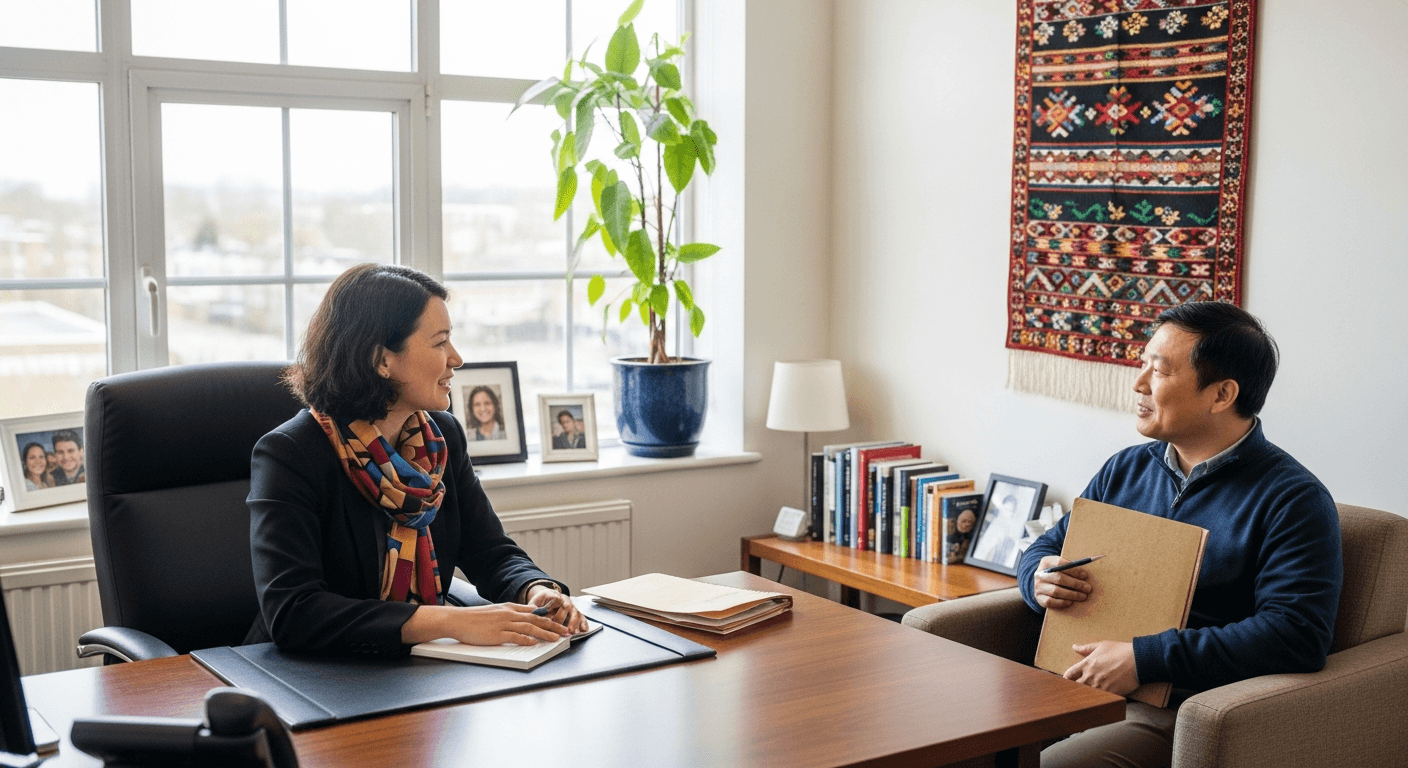
German bureaucracy is daunting — but you don't have to face it alone. Sylum prepares you for any authority appointment, reviews documents, and can accompany you.

The Goethe-Zertifikat B1 is one of the most recognised German certificates worldwide, accepted for citizenship and many permits. Here's how to prepare and pass.

The DTZ is the Integrationskurs final exam and an accepted B1 certificate for permits and citizenship. Here's everything you need to know.

The Integrationskurs is Germany's main state-funded language programme: 600 hours of German plus a 100-hour orientation course. Here's who qualifies and how to enrol.

telc B1 is sufficient for German citizenship; B2 enables faster paths to permanent residency. This article explains the difference and helps you decide which to take.

Even prepared candidates make avoidable mistakes in German language tests. This guide reveals the most common B1/B2 exam pitfalls and how to overcome them.

Online or in-person German course? Both have real advantages. This honest comparison helps you choose based on your goals, schedule, and budget.

German B2 can cut your path to permanent residency by up to a year. This article explains when B2 is required, how to prepare, and which certificates count.

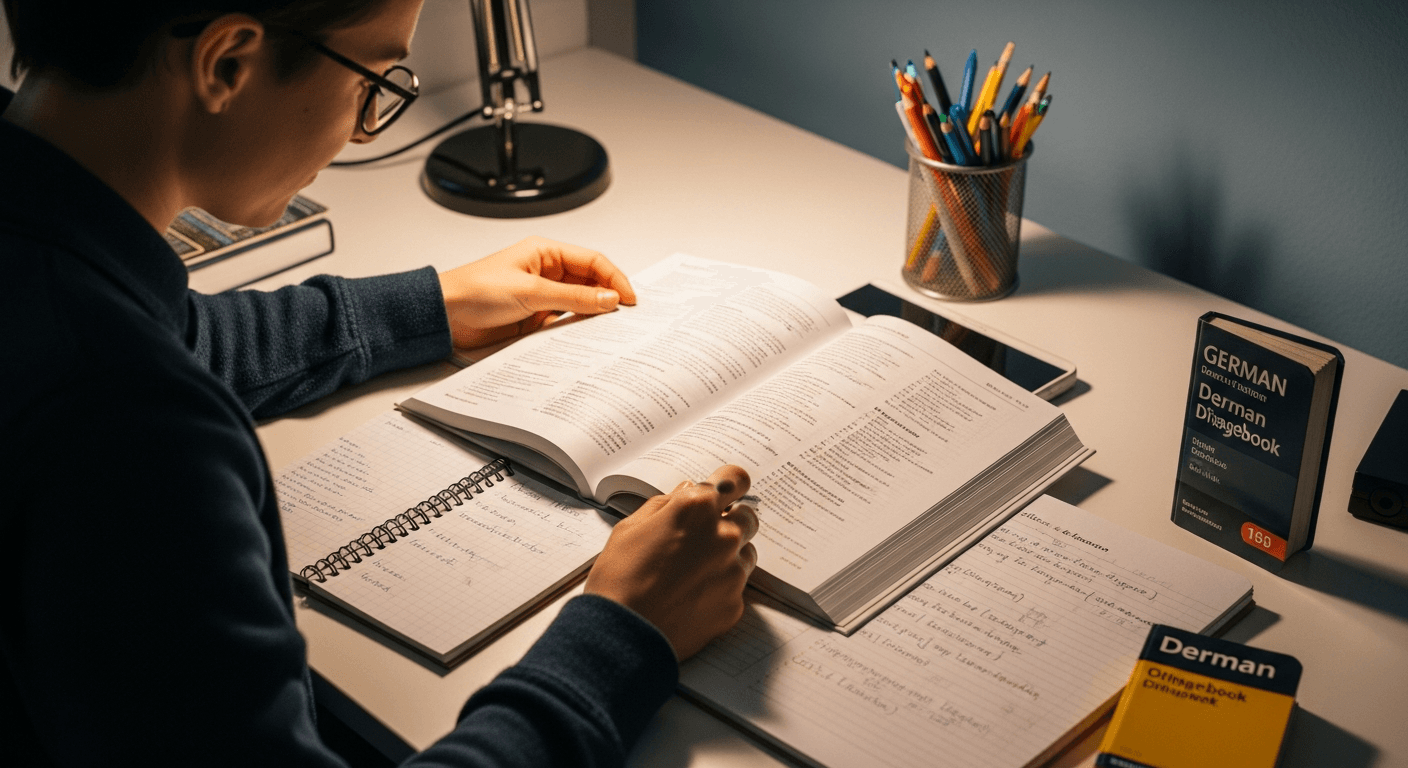
German B1 is the minimum language requirement for naturalisation. This article explains what B1 means in practice, accepted certificates, and how to reach it.

Sylum has reviewed the best German course options for every level and goal. Here are our top recommendations for immigrants in Germany in 2025.

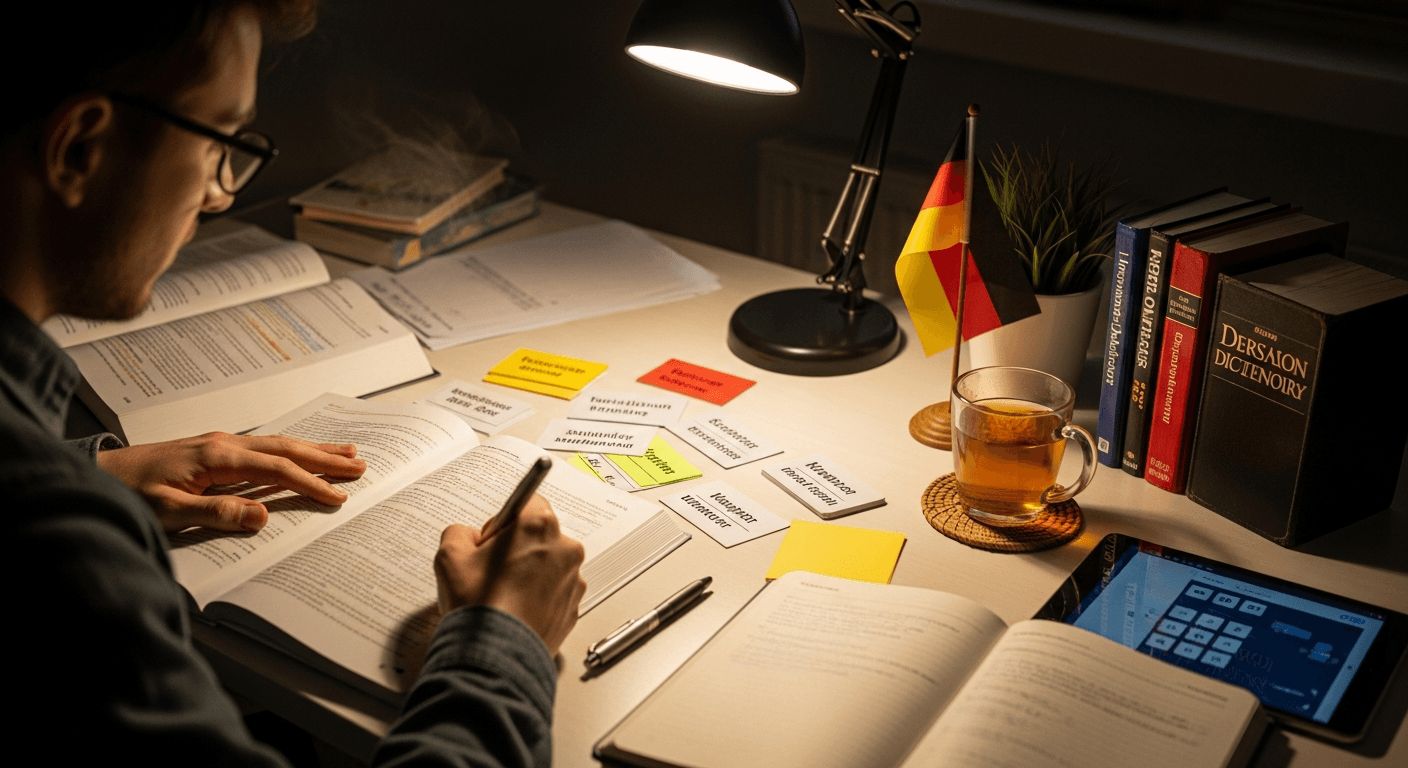
Getting your German language certificate for citizenship or residency doesn't have to be stressful. Sylum helps you choose the right exam and prepare effectively.